
This is the question I get more than any other. Two great islands, two very different trips, and a family of nine waiting for the right answer. Here's how I actually decide.
Almost every multigenerational family I work with starts in the same place: they've already decided on Hawaii. They've narrowed to two islands. They've read fifteen blog posts that all say the same thing in slightly different words. And they still can't decide between Maui and the Big Island.
That's because most of what's written about this comparison treats both islands as destinations. They aren't. For a family of 8, 10, or 12 with three generations, the island isn't the trip — it's the container for the trip. What matters is whether that container fits the people inside it. So the framework I use with clients has nothing to do with which island is "better." It has everything to do with which one fits your family.
Below is the actual decision framework I walk through on every discovery call, the strengths and limitations of each island for multigen specifically, and the recommendation patterns I see emerge again and again.
The honest framework
Forget which island is more beautiful or more famous. For a multigenerational trip, five things actually decide the answer:
- Age range and energy mix. A group with toddlers, teens, and grandparents has different needs than a group of adult siblings and their parents.
- First time vs. returning. First-timers benefit from one island's strengths; people who've already done Maui twice often shouldn't go back.
- Mobility and stamina considerations. Almost every multigen group has them, even when families don't initially label them that way.
- Pace preference. Some families want activity-rich days. Others want pool, beach, repeat. Both are valid. The islands serve them differently.
- Resort centrality. Are you a resort-stays-put family, or do you want to drive, explore, and switch hotels mid-trip?
Once I have answers to those five, the right island usually announces itself within a sentence or two. Let's look at what each island is actually best at.
Maui — the smooth one
Best for first-timers, mixed ages, families who want resort life with optional adventure.
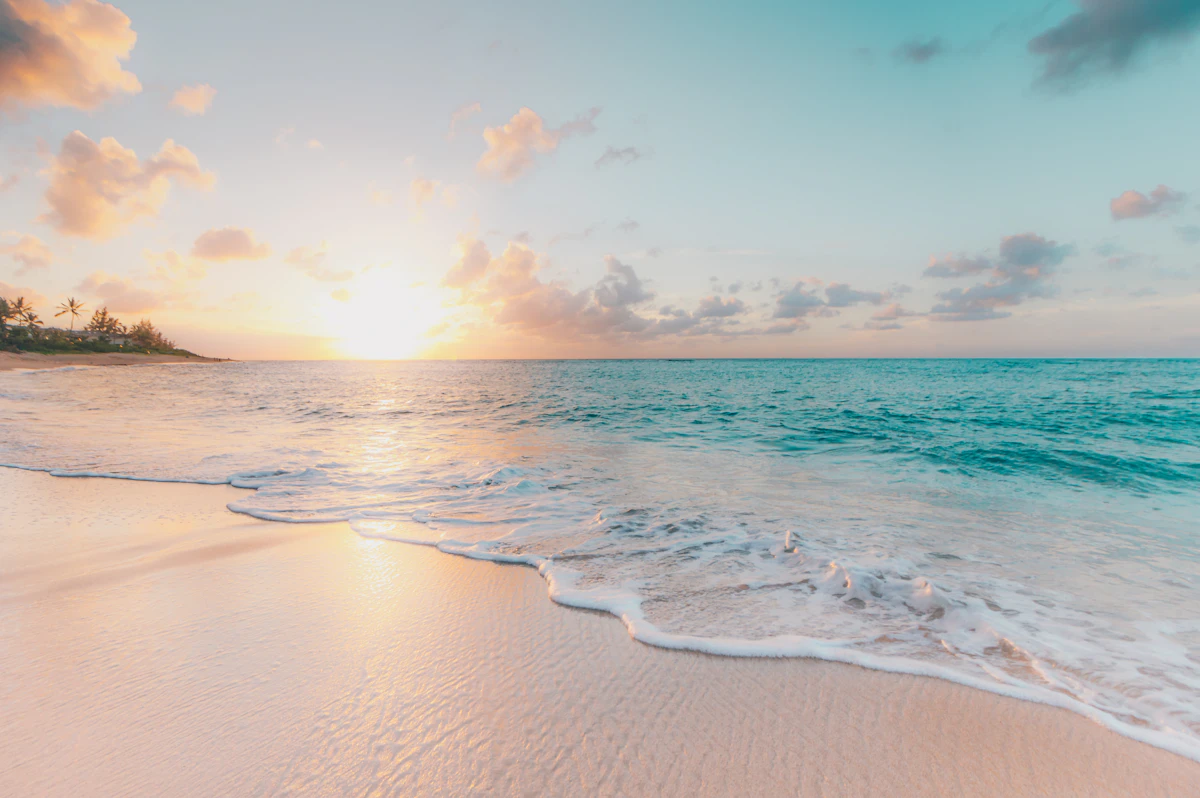
Maui is the easiest Hawaiian island to do well for a family vacation. The resort infrastructure on the Wailea and Kapalua coasts is mature and excellent. The dining options outside the resorts are deeper than the Big Island's. The drives are shorter. The whole experience leans toward "manageable" — which, when you're orchestrating a luxury Hawaii family trip for ten people, matters more than most families realize.
Where Maui wins for multigen:
- Resort range. Wailea alone offers Four Seasons, Andaz, Grand Wailea, Fairmont, and the Wailea Beach Resort, all on one strip. You can match resort style to family preference rather than compromising.
- Off-property dining. Mama's Fish House, Monkeypod, Lineage, the Mill House, Merriman's Kapalua, Morimoto — Maui's dining scene is the deepest in Hawaii, and that matters when grandma wants a real night out and the teens want a casual lunch.
- Beach access for all abilities. The Wailea beach path is flat, paved, and continuous between five major resorts. Grandparents can walk a stretch with the grandkids without negotiating terrain.
- Activity proximity. Snorkel boats, sunset cruises, surf lessons, and luaus are all within 20 minutes of most luxury Wailea resorts. Short drives keep older travelers and young kids out of the car.
What kids actually do on Maui:
This is the part of "Hawaii with kids" planning that gets glossed over. Here are the activities I've personally vetted and recommend, organized by age:
- Toddlers and ages 3–6: Grand Wailea's water park complex is the gold standard — nine pools, a lazy river, a water elevator, and slides scaled to small kids. The Four Seasons Maui kid club takes 3+ and runs full-day programming. Sugar Beach has gentle waves perfect for first ocean experiences. The Maui Ocean Center aquarium (just up the road) is a guaranteed two-hour win on a rest day.
- Ages 7–12: Stand-up paddleboard lessons in calm Wailea Bay. Snorkel tours to Turtle Town or Molokini Crater (the half-day boat trips, not the full-day ones — patience runs out by hour four). Surf lessons in Lahaina or Kihei with patient instructors. Boss Frog's snorkel gear rentals are everywhere and cheap. A horseback ride at Ironwood Ranch or Mendes Ranch upcountry.
- Teens: Surf lessons at Launiupoko. Beginner scuba "discover dives" off the Wailea coast. A ziplining course at Skyline Hawaii or Kapalua Ziplines. The Road to Hana with a private driver-guide (much better than parents driving — teens are notoriously bad passengers on a 600-curve road). ATV tours up Haleakala's slopes.
- Mixed-age family activities: Sunset catamaran sails along the Wailea or Lahaina coast. A whale-watching charter (December through April — humpback season is genuinely unforgettable for kids). A private Hana day with a local guide. A luau that doesn't feel like a tourist trap — Old Lahaina Luau is the standard, and Wailele Polynesian Luau at Westin Maui is the easier in-resort version.
- Rainy day or rest day: Maui Ocean Center aquarium. Surfing Goat Dairy farm tour upcountry (yes, you milk a goat). The Maui Tropical Plantation tram tour. Resort kid club drop-offs for parents who need a spa hour.
Where Maui shows its limits:
- Less geographic variety in a short trip. Maui is one ecosystem — coastline. Haleakala is a half-day commitment. Hana is a full day. If you want volcanic landscapes, snow-capped peaks, and rainforest in the same week, the Big Island delivers more.
- Crowds at the famous spots. Mama's Fish House, the Road to Hana, sunset at Kapalua — they're popular for a reason, and they feel it.
- Post-fire context. Lahaina town remains in active recovery from the 2023 fires. Most West Maui resorts are operating normally, but the cultural and emotional weight of the area matters, and some families prefer to base in Wailea for that reason alone.
The Maui family I recommend it for: First-time-in-Hawaii multigen group of 6–10, ages spanning toddlers to 75, who want a smooth luxury family vacation with optional adventure. The "everyone needs to be happy and we can't have any logistics fall apart" trip.
The Big Island — the spacious one
Best for returning Hawaii visitors, families wanting room to breathe, and trips with serious accessibility needs.
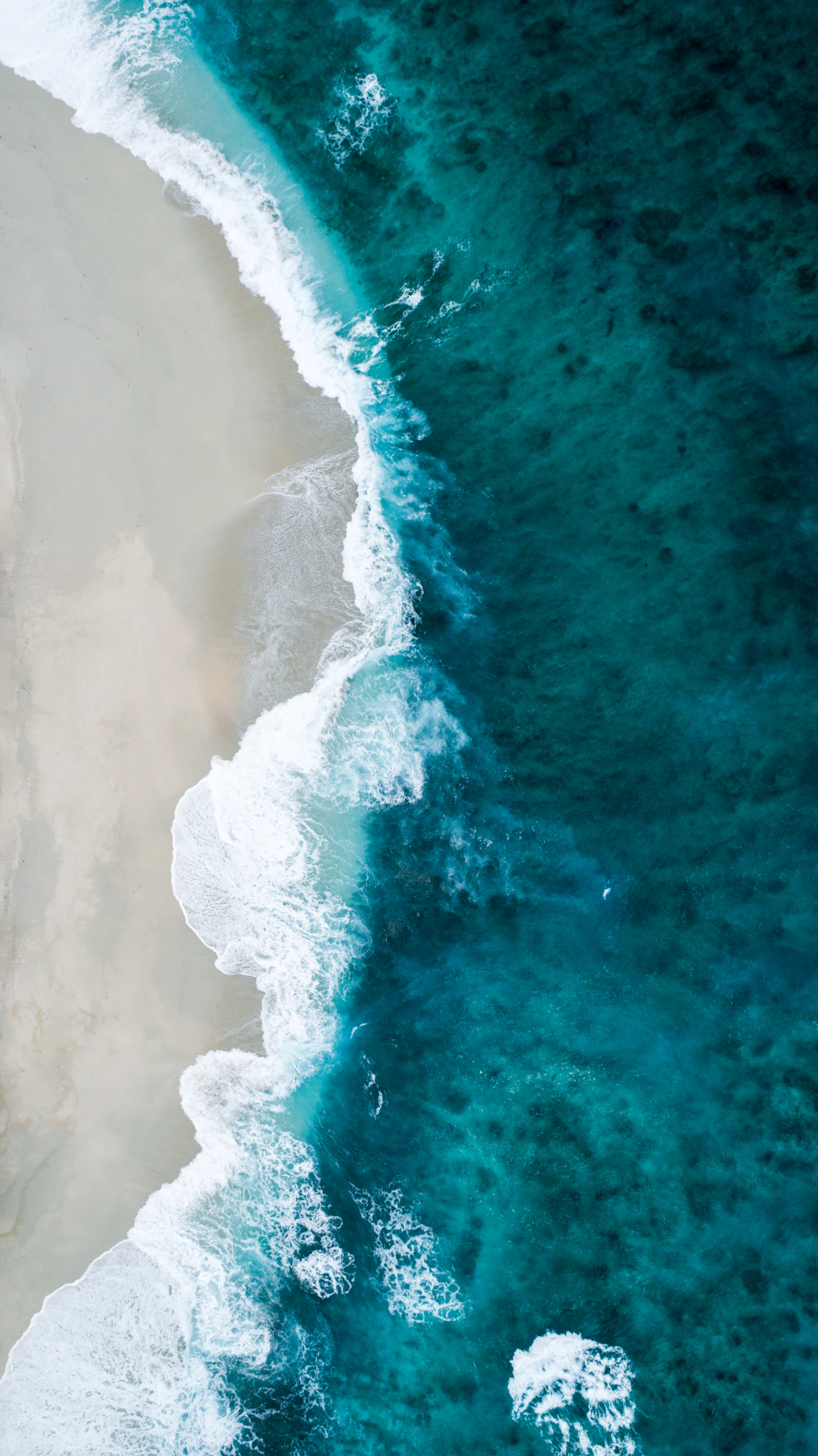
The Big Island is exactly what its name implies — bigger than the other Hawaiian islands combined, with more geography packed into a single landmass than most countries. For multigenerational families and luxury Hawaii family travel, that bigness translates into space: roomier resorts, less density, more privacy, and a sense of having a Hawaii most people don't see.
Where the Big Island wins for multigen:
- Hualalai is a category of one. Four Seasons Resort Hualalai is, in my professional opinion, the single best multigenerational resort in Hawaii. The villa-style layout, accessibility infrastructure, kid club, and service standards are unmatched. If a family can afford it and Hualalai is available, the island question often answers itself.
- Space, in every sense. Big Island resorts are spread along miles of Kohala coast with low density and generous footprints. You don't feel pool-loungers stacked next to each other.
- Geographic variety. In a single trip, families can see active volcanoes, snow on Mauna Kea, black-sand beaches, working ranches, coffee farms, and coral reefs. For families with curious kids and teens, the variety carries the trip.
- Better accessibility infrastructure at top resorts. Hualalai's accessible suite inventory, ocean access, pool lifts, and on-site equipment coordination are best-in-class among Hawaii resorts. For families navigating real mobility considerations, this island earns its place.
What kids actually do on the Big Island:
The Big Island has fewer activities than Maui — but the ones it has are bigger, weirder, and more memorable. Here's what I book for families, by age:
- Toddlers and ages 3–6: Hualalai's "Kids For All Seasons" kid club is widely considered the best in Hawaii (potty-trained 3+, full-day, free for guests). The resort's kid-only pool is a perfect 2-foot depth for small swimmers. Beach 69 (Waialea Beach) and Hapuna Beach have gentle calm-water mornings ideal for first ocean dips. The Mauna Lani petroglyph field and tide pools work well for short-attention-span discovery.
- Ages 7–12: Snorkel with sea turtles at Two-Step Beach (Honaunau Bay) — guaranteed sightings, easy entry. The Captain Cook snorkel charter to Kealakekua Bay. Stand-up paddleboarding at Anaehoomalu Bay. A short hike to a black sand beach at Punaluu (where green sea turtles bask on the sand). Greenwell Coffee Farm or Kona Coffee Living History Farm tours — kids actually enjoy the tasting and the goats. Petroglyph rubbings at Pu'uloa.
- Teens: Manta ray night snorkel off Kona — the Big Island's signature experience, and one of the most jaw-dropping things any teen will ever do. A guided tour of Hawaii Volcanoes National Park (lava tubes, steam vents, active volcano viewing — best with a private guide who knows where the lava is glowing that week). Stargazing at Mauna Kea's Visitor Information Station at 9,200 ft. Zip lining at Umauma Falls. Surf lessons at Kahalu'u Beach Park. Horseback riding through Parker Ranch on the slopes of Mauna Kea.
- Mixed-age family activities: A sunset sail off the Kona coast. The Pu'uhonua o Honaunau (Place of Refuge) cultural site — kid-friendly, deeply meaningful, and a real Hawaii history experience. A coffee farm half-day with chocolate tasting at one of the Hamakua coast farms. Sea turtle viewing at Punaluu Black Sand Beach (you can almost always spot them sleeping on the sand). A private Big Island circle tour for one big-adventure day.
- Rainy day or rest day: Mokupāpapa Discovery Center in Hilo (a free marine education center kids love). The Imiloa Astronomy Center. Resort kid club drop-offs. A long lunch at the Hualalai beach restaurant while kids run on the sand.
Where the Big Island shows its limits:
- Off-resort dining is thinner. Outside the resort corridor, restaurants are fewer and further apart. Most luxury Big Island trips center dining around the resort, which is fine — but it's a different rhythm than Maui.
- More driving. Volcanoes National Park is two hours from the Kohala coast. Mauna Kea is similarly far. The geographic variety comes at the cost of windshield time, which is hard on grandparents and small kids.
- Less of a "destination buzz." The Big Island is quieter, more laid-back, less postcard-glossy in tone. Families who want energy and bustle sometimes find it too sleepy. Families who want calm find it perfect.
- Resort range is narrower. Hualalai is the apex. Auberge Mauna Lani, Fairmont Orchid, and Mauna Kea Beach Hotel are the other meaningful options. For families wanting Hualalai-style service at a lower price point, options are limited.
The Big Island family I recommend it for: Families who've done Maui or Oahu before and want something quieter, families with serious accessibility needs where Hualalai's infrastructure is the deciding factor, and families with older kids or teens who'd genuinely enjoy a volcano hike, manta ray dive, or Mauna Kea stargazing trip.
Side-by-side, by what actually matters
Recommended resorts on each island
These are the luxury Hawaii family resorts I most often recommend and book — the ones I've personally vetted, tracked through renovations and management changes, and seen perform across multigenerational trips. Each has strengths and trade-offs; the right one depends on your group, not the brochure.
Best Maui resorts for families
Four Seasons Resort Maui at Wailea
The most polished multigenerational choice on Maui. Exceptional service, a club-level lounge that's worth every dollar, and a kid club (Kids For All Ages) that takes 3+ and actually runs full programming. Accessibility infrastructure is strong — pool lift, accessible suites, and a team that executes. Ages well across generations.
It's quieter than Grand Wailea, more polished than Andaz, and the service depth shows in the small things: how they handle a 12-top dinner reservation, how the concierge follows through, how the staff remembers your kids' names by day three.
Grand Wailea, A Waldorf Astoria Resort
The water park pool complex makes it a magnet for families with young kids — nine pools, a lazy river, a water elevator, multiple slides scaled to kid sizes. The suites are excellent, the food has quietly gotten much better, and the property scale supports groups of 10+ without anyone feeling cramped.
The trade-off: it's big and busy. If your family wants serene-luxury energy, this isn't it. If your family's primary trip metric is "did the kids love it?", almost nothing in Hawaii beats it.
Montage Kapalua Bay
The all-suite layout is the differentiator — real kitchens, real living rooms, real space for families with multiple kids or grandparents who want to host their own morning coffee. Kapalua is quieter than Wailea, and the property feels residential in the best way.
The catch: Kapalua weather can be cloudier and windier than Wailea, especially in winter. Dining options off-property are thinner. But for families who want elbow room and a slightly more private feel, Montage is the move.
Andaz Maui at Wailea
The most design-forward Wailea resort. Stylish, scaled-back, with arguably the best beach access on the Wailea strip (Mokapu Beach is right there). Smaller than its neighbors, which translates to quieter pools, faster service, and a more relaxed vibe.
It skews younger — Andaz is great for Gen X and millennial families, and the design-conscious set who'd rather not stay somewhere that feels like a 1990s mega-resort. The kid programming is more limited than Grand Wailea or Four Seasons, so it's better for families whose kids don't need a dedicated club.
Best Big Island resorts for families
Four Seasons Resort Hualalai
Hawaii's most consistent luxury resort, and in my opinion the single best multigenerational property in the islands. The villa-style layout means real outdoor space, the Kids For All Seasons program is widely considered the best in Hawaii, and the accessibility infrastructure (pool lift, beach wheelchairs, ocean entry, accessible villas, on-site equipment coordination) is miles ahead of anywhere else.
Service is the differentiator. Hualalai's staff retention is among the best in the industry, which means the people serving you have been there for years and execute at a level that's hard to find elsewhere. This is the standard against which other Hawaii luxury resorts are measured.
Rosewood Kona Village
The Big Island's most anticipated reopening in a decade. The original Kona Village was a beloved bungalow-style resort destroyed by the 2011 tsunami; Rosewood reopened it in 2023 with the original spirit intact and Rosewood's service level layered on top.
Each guest stays in a standalone hale (bungalow) — no high-rise, no shared walls, no crowded elevators. The property is deeply cultural, with strong Hawaiian programming, and the all-inclusive food and beverage option is genuinely worth considering for big families. For multigen trips that want privacy, space, and a sense of place, it's the most distinctive option on the island.
Auberge Mauna Lani
Post-renovation, this is one of Hawaii's most quietly beautiful resorts. Strong cultural programming, excellent pools, oceanfront calm, and a meaningfully more accessible price point than Hualalai. The vibe is grown-up and unhurried — closer to a sophisticated retreat than a buzzy family resort.
The kid programming is good but not Hualalai-level. Families with very young kids may find it slightly too adult; families with older kids and teens find it just right.
Fairmont Orchid, Hawaii
The most underrated luxury family resort on the Big Island. Strong overall infrastructure, multiple pools, solid kid programming, a peaceful saltwater lagoon perfect for nervous swimmers, and a price point that's meaningfully lower than Hualalai or Auberge Mauna Lani.
It's not as polished as the top tier — service can be variable, and parts of the property show their age. But for big multigen groups that need value alongside quality, the Fairmont Orchid is often the smart call.
Also vetted and recommended where the fit is right: Halekulani (Oahu, for families pairing Hawaii with an Oahu start), Mauna Kea Beach Hotel (Big Island, for a more classic feel), Fairmont Kea Lani (Maui, all-suite Wailea option), and select luxury villas across all four islands.
The accessibility lens
This is the part most "Maui vs. Big Island" articles skip — and it's the part that often decides the trip for my clients. As a licensed Occupational Therapist, I evaluate islands and resorts the way a clinician evaluates a plan of care: by the people, not the marketing.
Most multigenerational trips involve accessibility considerations, even when families don't initially label them that way. The grandfather with a hip replacement. The mother who tires by 2 p.m. The aunt with arthritis. The cousin who uses a wheelchair only on long days. These details are the framework around which the trip needs to be designed.
If your group includes anyone with even mild mobility considerations — a slow walker, a recent surgery, a grandparent who's "fine but tires easily" — Hualalai on the Big Island has the strongest end-to-end accessibility infrastructure of any Hawaii resort. Pool lift, beach wheelchair, sloped ocean entry, accessible villa inventory, and a service team that actually executes it. This single fact ends the island debate for many of my families.
That said, Maui is genuinely good for accessibility at the top tier — Four Seasons Maui at Wailea and Grand Wailea both have functional pool lifts, accessible suites, and the flat Wailea beach path that makes coastline navigation easy. The difference is breadth: Hualalai is the gold standard, Maui properties are very good but more variable.
The "do both" option
Families who can stretch the trip to 10–14 days sometimes ask whether they should split it across two islands. My honest answer: most of the time, no. The day of changeover — checking out, flying inter-island, checking in, settling a family of nine into new rooms — costs a full vacation day and a lot of patience. With multigen, that day is often harder than it looks.
The exceptions where I do recommend splitting:
- Return visitors with a clear "want." A family that's done Maui twice but has always wanted to see the volcanoes. The Hawaii Volcanoes National Park is genuinely worth a 3-night Big Island add-on.
- 10+ day trips with older travelers. If the group is mostly adults and there's real time, two islands can work well, with one being the "quiet" base and the other the "experience" base.
- Milestone trips where the experience is the point. A 50th anniversary, a 75th birthday — sometimes the variety is itself the gift.
For most families, one island, longer, beats two islands rushed.
The mistakes I see families make
After dozens of these planning conversations, four mistakes show up over and over:
Choosing based on what the most-online family member wants. The aunt who's Instagram-deep on Hana road trips isn't the deciding voice for a family of nine. The deciding voice is whoever has the least flexibility — usually the oldest or the youngest. Plan around them.
Underestimating drive time. Hawaii drives feel longer than they look on a map. Mauna Kea is two hours from Kohala. Hana is three from Wailea. Plan for one big driving day at most.
Booking too late. Multigen Hawaii inventory — connecting rooms, villa buyouts, accessible suites — is genuinely scarce and sells out 9–12 months ahead at the top resorts. The best villas and accessibility-equipped rooms go first.
Picking the famous resort without checking the room category. A Four Seasons Hualalai entry-level room and a Hualalai oceanfront villa are radically different trips. For a multigen group, room category is more important than brand.
The bottom line
If I'm being honest about the pattern: Maui for first-timers, Big Island for return visitors or accessibility-led trips, Hualalai if you can afford it and want the very best. That's the heuristic — but it's a heuristic, not a rule. The five-factor framework above is what actually finds the right answer for a specific family.
That's the job. If you're somewhere in the middle of the decision and want a clinician-trained second opinion, the discovery call is free and exists for exactly this reason. Twenty minutes, no pitch — just a clearer answer than you'll get from another blog post.